
Judge Allows Administrative Case to Proceed in Ranchers’ Dispute with State
EPHRATA, Wash. — A Grant County judge has denied a request from a Central Washington ranching family to halt a state case accusing them of violating wetlands rules, allowing the dispute to continue in an administrative forum.
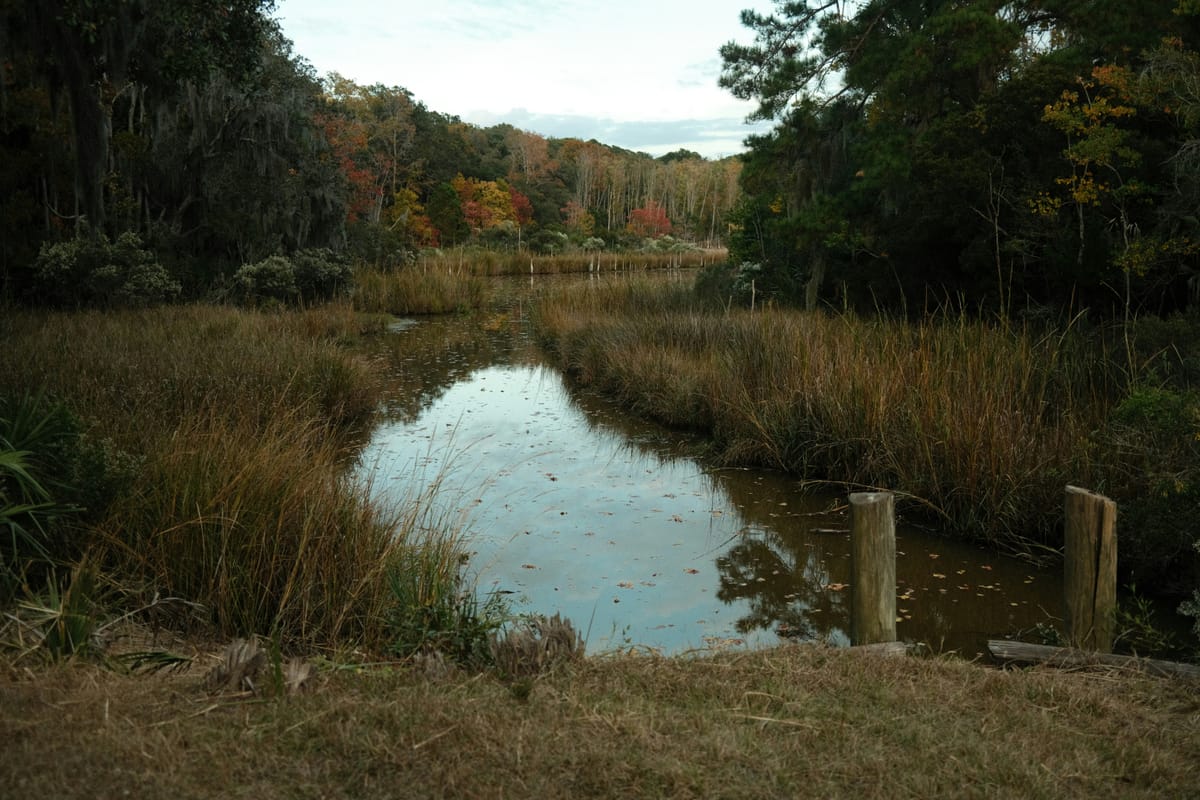
The case centers on stockwater ponds built by Wade and Teresa King. The Washington State Department of Ecology alleges the ponds disturbed protected wetlands and issued fines and restoration orders. The Kings dispute those claims and argue the state lacks authority over the ponds.
Judge Anna L. Gigliotti ruled Friday that the administrative case can move forward, even as the family challenges whether they are entitled to a jury trial.
Dispute Over Jury Trial Rights
The Kings are seeking to move the case out of an administrative tribunal and into a courtroom, arguing that both the U.S. and Washington constitutions guarantee a right to a jury trial.
The judge’s decision allows proceedings before the state’s Pollution Control Hearings Board to continue while that constitutional question remains unresolved.
An attorney for the Kings said the ruling was disappointing and that the legal team will continue to press the claim that the right to a jury trial must be upheld.
State’s Position
State attorneys argue that Washington law requires cases like this to be handled through administrative proceedings. They say courts have not recognized a right to jury trials in similar disputes.
The case also raises a broader legal question about whether the Seventh Amendment’s guarantee of a jury trial in civil cases applies to the states.
Origins of the Case
The Department of Ecology first issued administrative orders in February 2023. The agency imposed a $267,540 civil penalty and later ordered restoration work that could push compliance costs above $3.7 million.
The Kings maintain the ponds are exempt from regulation and fall outside the department’s authority.
Upcoming Proceedings
A hearing on the merits of the Kings’ claims is scheduled for May 21 in Grant County Superior Court.
Attorneys for the family say they will continue pursuing the case as a challenge to how property disputes are handled and to broader questions of due process.