
Kansas Contractor Ordered to Pay $1 Million, Permanently Barred From Doing Business
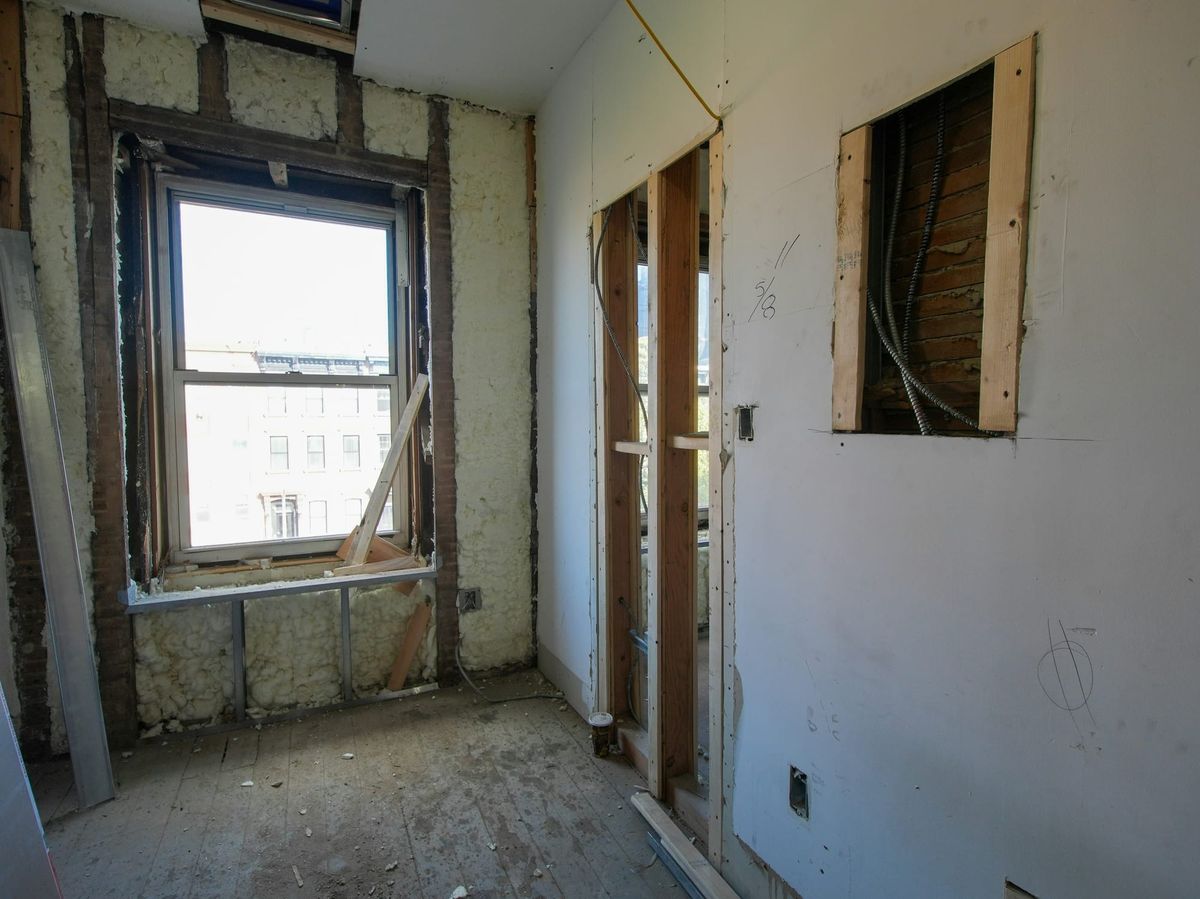
State attorney general says consent judgment against home remodeling contractor aims to protect consumers from future fraud
TOPEKA, Kan. — A Kansas home remodeling contractor has agreed to pay more than $1 million in restitution to former customers and accept a permanent ban on operating any business in the state after the attorney general accused him of deceptive business practices.
Kansas Attorney General Kris Kobach announced the consent judgment against Rodney Rippe, owner of Straight Line Remodeling, an Ellis County construction company that contracted for residential home construction and remodeling.
Under the district court order, Rippe must pay restitution to eight former customers, with individual awards ranging from $13,000 to $417,000, according to court documents. He also agreed to pay the state $20,000 to cover investigative costs.
The settlement resolves a consumer protection lawsuit brought by the attorney general’s office, which accused Rippe of deceptive conduct in connection with his business operations.
“This judgment sends an unmistakable message to any business thinking about defrauding Kansas consumers,” Kobach said in a statement. “We will shut you down, we will ban you from doing business here, and we will ensure that you cannot escape remedies owed to victims.”
Lifetime business ban imposed
As part of the agreement, Rippe consented to a sweeping prohibition on conducting business in Kansas, directly or indirectly.
The order bars him from attempting to operate through third parties, relatives, shell companies or successor entities, a broad restriction designed to prevent him from reentering the marketplace under another name.
Straight Line Remodeling’s limited liability company registration was forfeited in July 2025, according to the attorney general’s office.
The consent judgment also states that Rippe admitted the violations to the extent necessary to establish that the restitution obligations stem from fraud and false pretenses — language that could make the debts more difficult to discharge in bankruptcy proceedings.
State traded penalties for consumer recovery
The attorney general’s office originally sought $480,000 in enhanced civil penalties but agreed to structure the settlement so that restitution to customers would take priority.
Under the agreement, half of the civil penalty would be waived if Rippe complies with the order for 10 years. The remaining balance could be discharged after 20 years of compliance. But if he materially breaches the agreement, the penalties become immediately enforceable.
Consumer protection enforcement actions against contractors are a recurring issue for state regulators, particularly in home remodeling disputes where customers often pay substantial sums upfront for projects that are delayed, abandoned or allegedly misrepresented.
The case represents one of the more severe sanctions available under Kansas consumer protection law: not only financial restitution, but an effective lifetime ban from commerce in the state.
For the eight consumers identified in court filings only by initials, the judgment offers a pathway to recovery after what state officials described as fraudulent conduct.