
Michigan Case Tests Whether Chimpanzees Can Be Considered Legal Persons
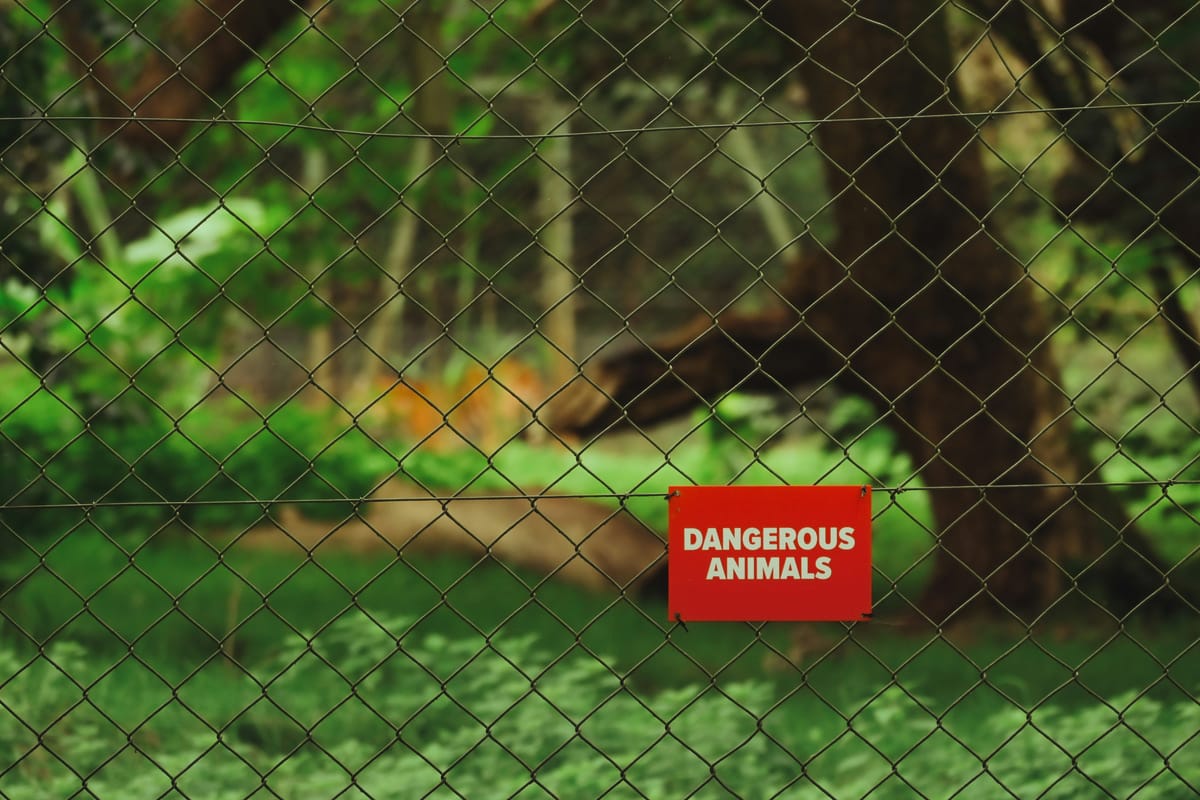
WALLACE, Mich. — A Washington, D.C.–based animal rights group is urging the Michigan Supreme Court to take up a case that asks whether seven chimpanzees held at a small Upper Peninsula zoo should be recognized as legal persons with a right to liberty.
Advocates Challenge Lower Court Rulings
The Nonhuman Rights Project, or NhRP, filed its request on Dec. 1. The group wants the state’s high court to overturn an appellate decision that affirmed a 2023 trial court ruling. That ruling held that chimpanzees kept at the DeYoung Family Zoo are not entitled to protections under Michigan’s habeas corpus laws, which address unlawful detention or imprisonment.
NhRP argues that the animals’ confinement meets the standard of unlawful detention and that habeas corpus is the correct legal tool to secure their release.
In its filing, the group wrote, “[i]t is simply impossible for chimpanzees to live a normal life appropriate for their species at a roadside zoo.”
Conditions at the DeYoung Family Zoo
The DeYoung Family Zoo sits in Wallace, near Michigan’s border with Wisconsin. According to court filings, NhRP refers to the chimpanzees as the “DeYoung Prisoners.” The organization alleges the zoo cannot provide conditions that meet the primates’ physical or psychological needs.
The filing points in particular to Michigan’s winter climate. Chimpanzees, the group says, require year-round access to sunlight and fresh air. But during colder months, the animals must remain indoors because the zoo lacks sheltered outdoor spaces.
The filing also notes concerns about isolation. One chimpanzee, Louie, has “essentially lived alone for more than half his life, if not his entire life,” NhRP wrote.
The zoo did not respond to a request for comment. On its website, it says animals are kept in a “natural setting” with “large habitats.” Its social media pages emphasize conservation, education, rescue, rehabilitation and “family fun.” The property houses big cats, hippos, bears, giraffes, otters, sloths and many other animals, and offers visitors encounters and feeding experiences for a fee.
A First-of-Its-Kind Case in Michigan
NhRP says the case marks the first time a Michigan court has been asked to consider the legal personhood of chimpanzees. Several experts in chimpanzee behavior and cognition submitted statements supporting the group’s claims.
The organization has pursued similar cases across the country, seeking personhood status for intelligent animals such as elephants and primates. While courts have yet to grant that status, the filings have drawn national attention to the legal treatment of captive animals.
What Happens Next
NhRP is asking the Michigan Supreme Court to send the case back to the trial court for further proceedings. Ultimately, the organization wants the chimpanzees moved from the DeYoung Family Zoo to an accredited sanctuary.
If the court agrees to hear the case, it could set the stage for a new legal debate over the rights of nonhuman animals in the state — and potentially influence how courts elsewhere approach similar questions.