
Montana Judge Sides With State Over Objections to Lakeside Wastewater Permit
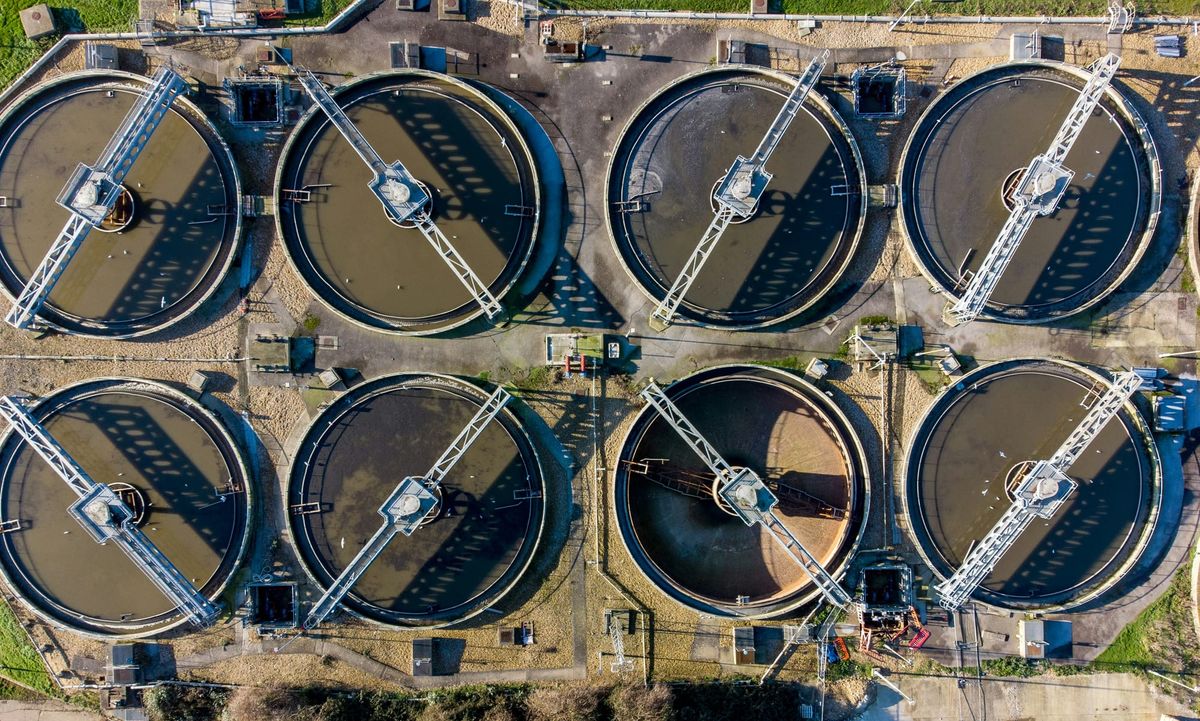
KALISPELL, Mont. — A Flathead County District Court judge has upheld the state's approval of a wastewater discharge permit for the Lakeside County Water and Sewer District, rejecting a challenge from a local watchdog group and a tribal nation that argued regulators failed to account for the full scope of the district's expansion plans.
Judge Danni Coffman ruled Aug. 10 in favor of Montana's Department of Environmental Quality and the water district, granting summary judgment against Citizens for a Better Flathead and the Confederated Salish and Kootenai Tribes. The two groups had sued in May, arguing the state's Water Quality Act review of the permit ignored the cumulative effects of a larger, phased expansion of the district's wastewater system.
The permit allows treated wastewater to flow into groundwater through three infiltration basins, part of the district's plan to upgrade from an unregulated lagoon system to one with active oversight and monitoring by state regulators. The plaintiffs argued the state's environmental assessment covered only 200,000 gallons per day of permitted discharge, while the underlying facility is being engineered with capacity for up to 900,000 gallons per day — a gap they said understated the project's true environmental footprint.
Coffman disagreed, writing that the larger figure reflected only the facility's design specifications rather than any confirmed plan to discharge that much wastewater, and that any future increase in discharge would require its own separate environmental review. She found that the department had adequately responded to expert reports and public comments the watchdog group submitted during the permitting process, including concerns about the discharge reaching surface water and affecting tribal fishing rights protected under a state agreement with the tribes.
The plaintiffs also argued the state should have conducted a full environmental impact statement rather than the less rigorous environmental assessment, and that splitting the project into two phases understated its cumulative impact. Coffman rejected both arguments, ruling that the department's phased review approach was independently justified since engineering decisions in the project's second phase depended on discharge limits established in the first.
Lakeside water district general manager Rodney Olson said in a statement that the ruling validated the testing methodology and scientific data underlying the district's environmental assessment. Mayre Flowers, executive director of Citizens for a Better Flathead, said in response that her group isn't opposed to the district modernizing its wastewater infrastructure, but remains concerned about building a large discharge facility over a vulnerable floodplain aquifer near Flathead Lake.
The watchdog group and the tribes are weighing an appeal to the Montana Supreme Court. A related group, the Flathead Lakers, has since joined a separate, newly filed lawsuit challenging the second phase of the district's expansion project.
The case is Citizens for a Better Flathead, et al. v. Montana Department of Environmental Quality, Flathead County District Court case number DV-15-2025-0000846. Case docket: https://trellis.law/case/30029/dv-15-2025-0000846/citizens-for-a-better-flathead-et-al-vs-montana-department-environmental-quality