
Settlement Ends Texas ‘Zombie Well’ Lawsuit, but Spotlight Remains on Aging Oil Infrastructure in Texas
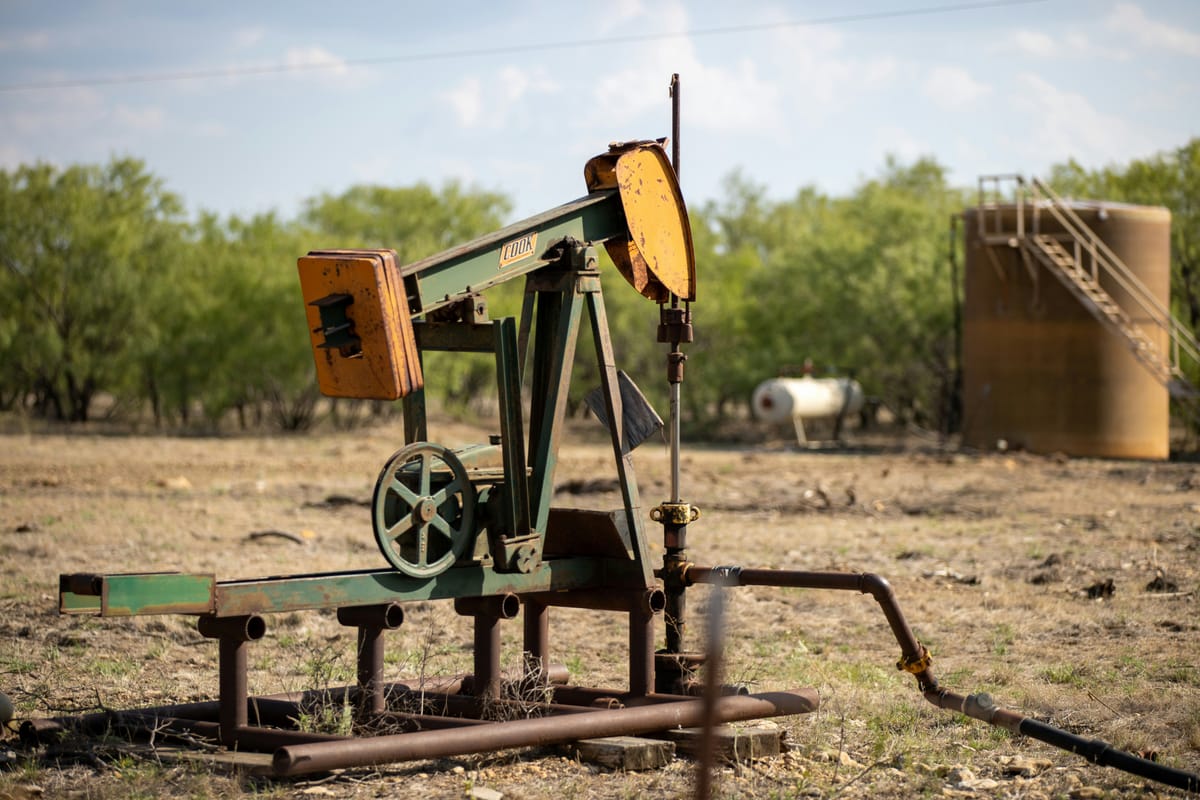
CRANE, Texas — A lawsuit that helped give name to Texas’ so-called “zombie wells” is coming to a close, as Chevron finalizes a confidential settlement with the owner of Antina Ranch in West Texas.
The case, brought by landowner Ashley Watt, will not go to trial as scheduled. But attorneys and experts say its impact may already be felt across the state’s oil and gas industry.
Had it proceeded, the lawsuit would have been one of the rare instances in which a large oil company faced a detailed courtroom examination of damage caused by decades-old, leaking oil wells. The dispute centered on whether wells drilled and plugged long ago can still pose a threat to groundwater and surface land.
A Challenge to Long-Held Assumptions
Watt alleged that dozens of plugged oil wells on her family’s 22,000-acre ranch in Crane and Ward counties were failing. The case challenged a long-standing belief in the industry that once a well is plugged, it remains sealed for good.
A win for Watt could have created new legal exposure for oil companies that now own thousands of legacy wells, many acquired through mergers and acquisitions over decades.
“If this had gone to trial and (Watt) had won any relief, then it is a potential threat to everybody who has responsibility for the condition of legacy assets,” said Chrysta Castañeda, an energy attorney based in Dallas.
Chevron acquired many of the Antina Ranch wells when it bought Gulf Oil in 1984.
Why the Case Still Matters
Although the settlement terms were not made public, some attorneys say the agreement itself sends a signal.
“The fact that it exists is enough,” said Ben Segal, an attorney with the environmental firm ClientEarth. Segal said the outcome could encourage other landowners to pursue similar claims.
Chevron declined to answer detailed questions. In a statement, the company said the case was resolved “subject to a mutually agreed confidential settlement.”
Cole Ruiz, a groundwater attorney based in Austin, said the lawsuit brought attention to an issue long ignored.
“I think it’s a win anyway,” Ruiz said. “Oil and gas degradation has been the elephant in the room for a very long time.”
‘Clean Up the Ranch’
Watt has said she decided to sue after one well on her property began releasing toxic water in June 2021. She said she asked Chevron to clean up the site and was met with resistance.
“What I didn't realize is cleaning this up is their worst nightmare,” Watt said in earlier interviews, referring to the potential precedent.
Thousands of aging wells drilled by Gulf Oil and other companies remain across Texas. While a typical onshore well costs about $30,000 to plug, badly leaking wells can cost many times more to repair.
Not all leaks are visible. Some occur underground, where they can affect groundwater without obvious surface signs.
Inside the Evidence Gathering
To support her claims, Watt hired teams of scientists and well control specialists. In March 2024, crews excavated a well from the 1960s on Antina Ranch.
When the top was removed, black, contaminated water appeared where cement was expected.
“It’s like Christmas,” said Hawk Dunlap, a well control specialist involved in the work.
The excavation was one of more than 100 conducted in preparation for trial. Watt spent millions of dollars on the effort after filing suit in 2022.
Though the case has settled, Dunlap said the issue remains unresolved statewide.
“Antina Ranch was a starting point,” he said. “We’ve barely scratched the surface on the totality of the problems across the state.”